CIBSE Embodied Carbon Verification Scheme Supports More Accurate Whole-Building LCAs
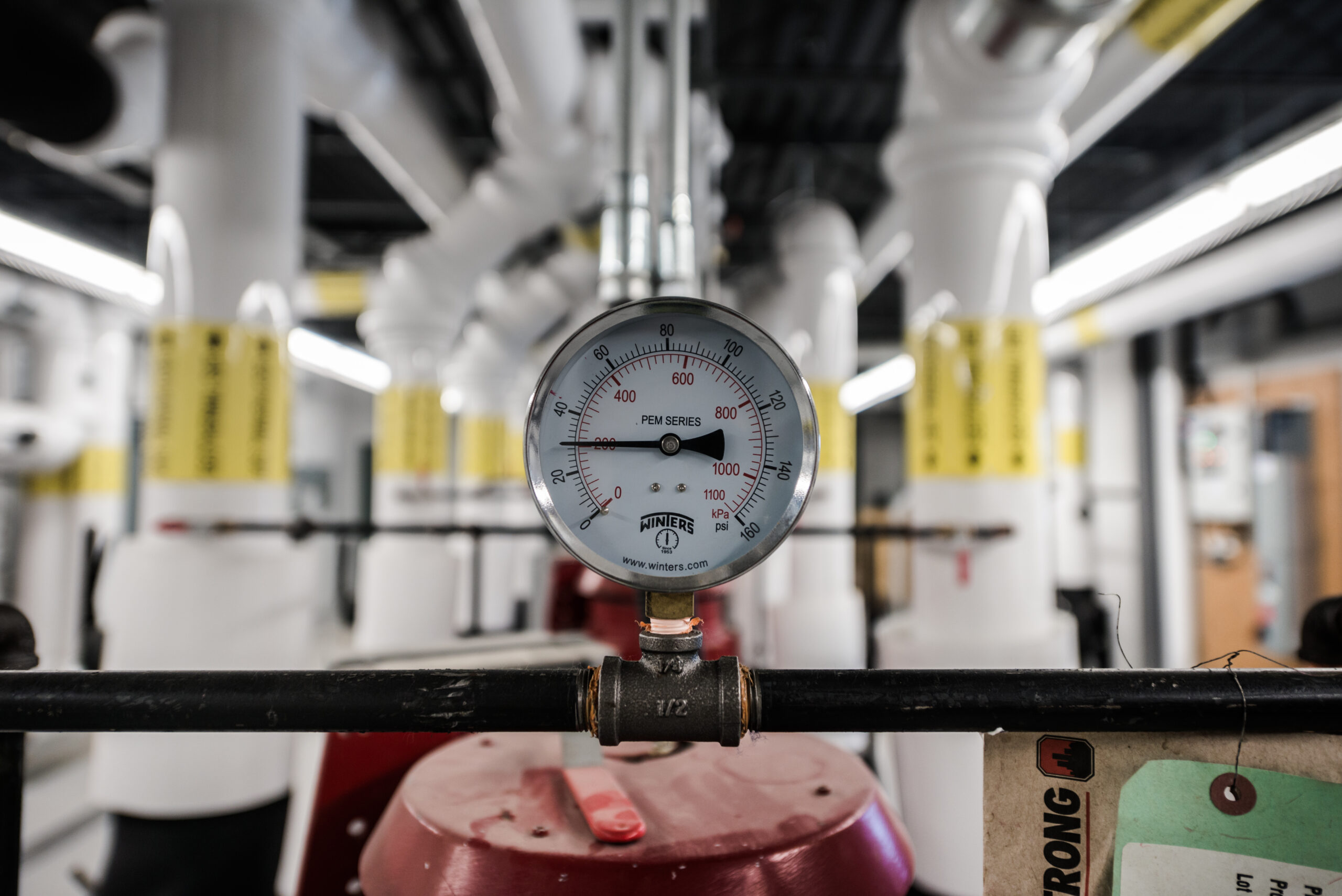
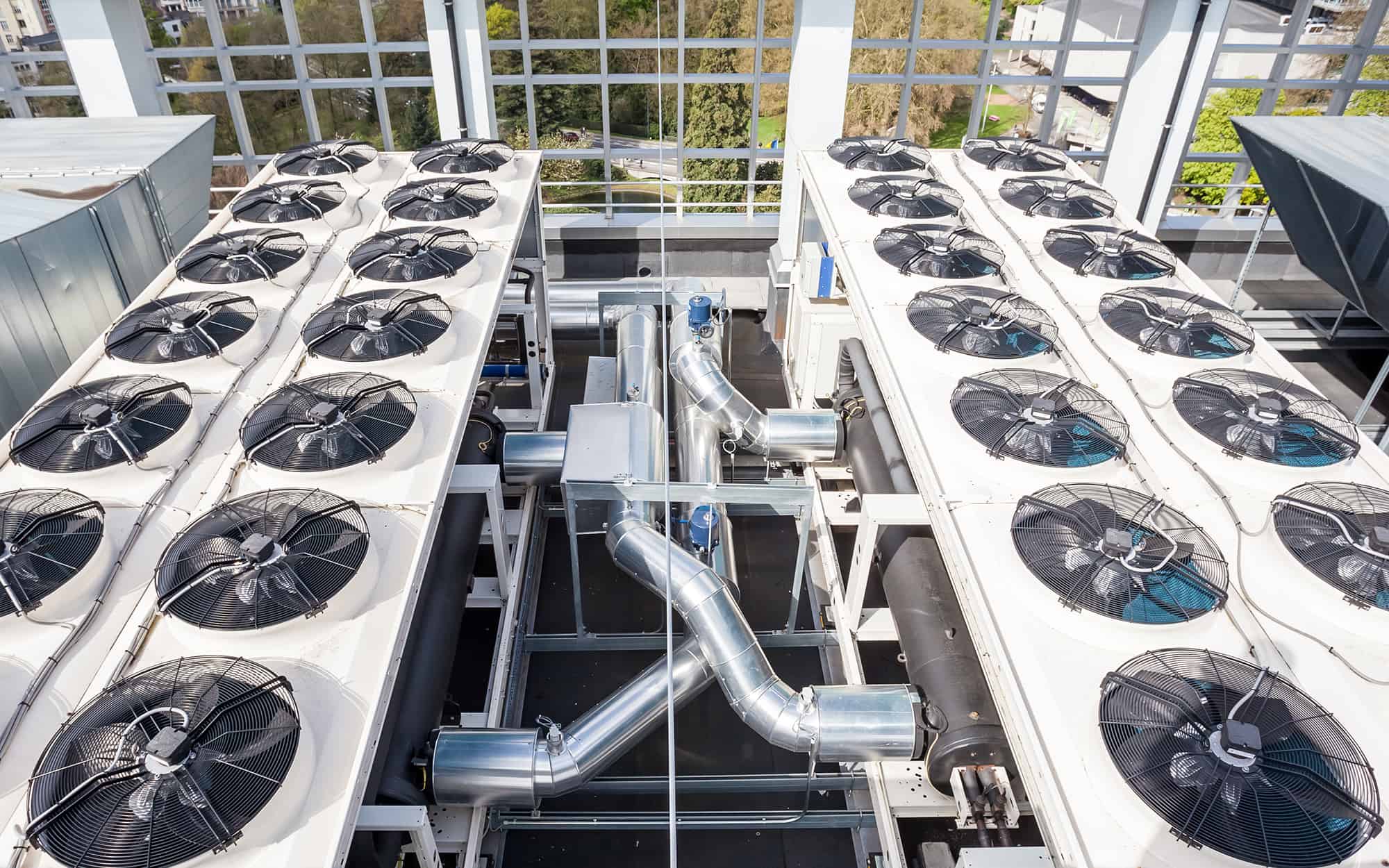
Exciting developments are underway in the world of building sustainability. The CIBSE Embodied Carbon Verification (ECV) scheme is now independently verifying TM65 embodied carbon data for MEP products, helping to close a gap in whole-building life cycle assessments (WBLCA). MEP components often represent a significant portion of a building’s total embodied carbon, yet reliable data has been hard to come by. The ECV scheme provides verified, trustworthy carbon information, giving designers, manufacturers, and WBLCA practitioners greater confidence in their assessments.
At INVIRO, we see this as a positive step toward more comprehensive, data-driven sustainability in the built environment. With more verified MEP data available, project teams can produce more complete and accurate LCAs, supporting better decision-making across the building lifecycle.
Interested in an embodied carbon assessment for your next project? 🌱 Contact our team to learn how we can help.
🔗 Learn more: https://buff.ly/bhOBfBk
Why Embodied Carbon Matters More Than Before
This shift in attention matters because as operational carbon decreases, especially in all-electric and highly efficient buildings, embodied carbon becomes a larger share of total emissions. Refrigerants, metals, and complex systems can carry significant carbon impacts even before they are ever turned on. As a result, selecting equipment based solely on operational efficiency may overlook the carbon cost associated with producing and replacing that equipment over time.